Author: Suhwa (Meat Industry Expert)
Introduction Hello, it’s Suhwa.
Yesterday, while shopping for dinner at a mart near my home in Suwon, I saw a foreign couple staring at the beef section for over 10 minutes. They looked completely lost between the packs of Hanwoo and US Beef. They eventually picked the most expensive pack, thinking "expensive means better."
It broke my heart. As a meat industry professional in Korea, I couldn't let this happen to you.
Korean meat labels are like a secret code. If you don't know how to read them, you might pay double for the same quality. Today, I will teach you how to read the label like a local butcher, so you never get ripped off at Emart, Lotte Mart, or Homeplus.
1. The "Grade" System: It’s All About the Marbling
In the US, you look for "Prime" or "Choice." In Korea, we are obsessed with Marbling (the white fat specks inside the red meat). We use a numeric grade system.
Look for the circle on the label marked "등급 (Grade)".
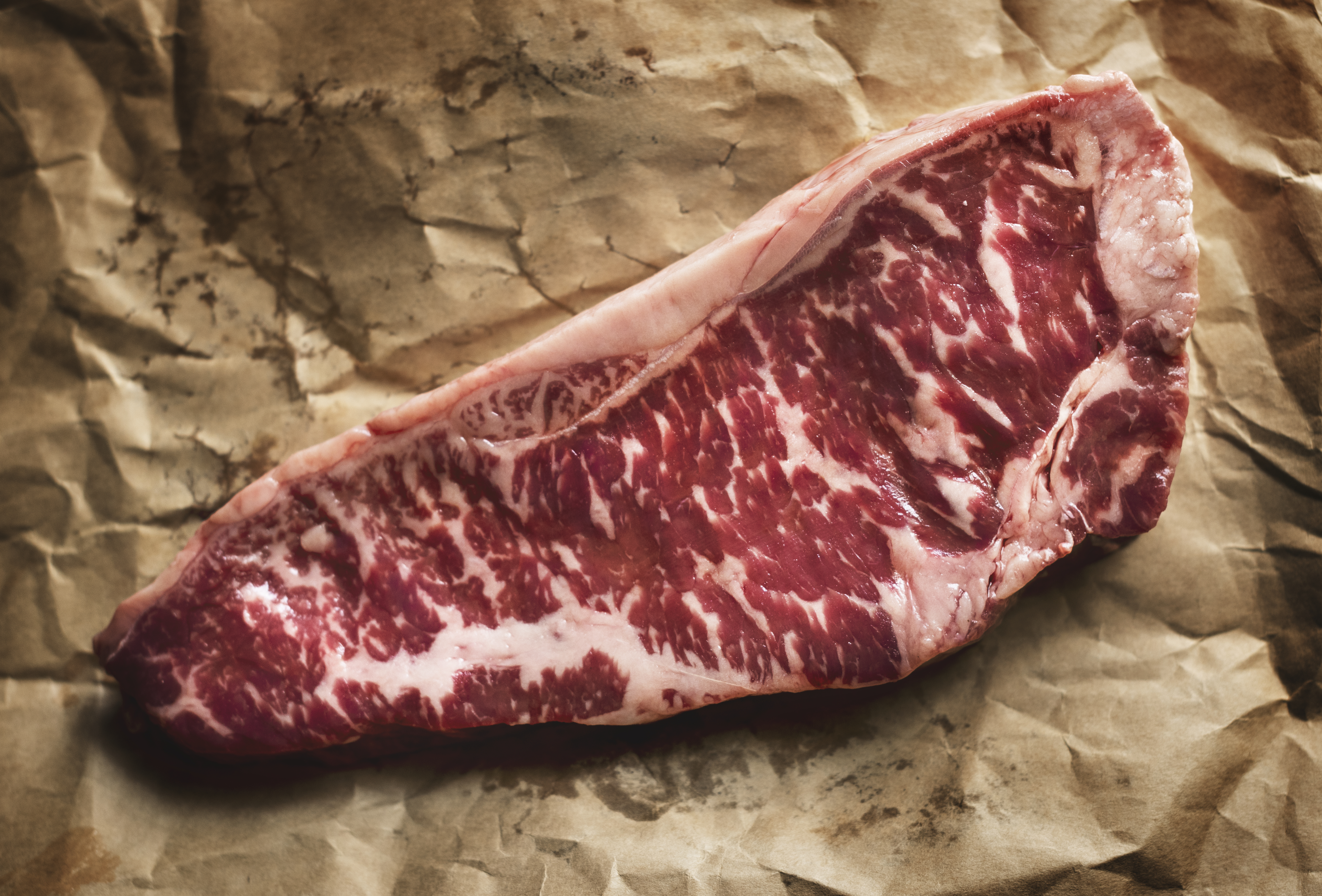
- 1++ (Two Plus): The King. This is equivalent to Japanese Wagyu A5 or high-end BMS 9. It melts in your mouth like butter.
- My Honest Opinion: It’s delicious, but extremely oily. You can't eat a lot of it. For a special anniversary? Yes. For Tuesday dinner? Maybe too much.
- 1+ (One Plus): Excellent quality. Think of it as USDA Prime. Great balance of meat chewiness and fat.
- 1 (One): The standard "Good" beef. Similar to USDA Choice.
- 2 or 3: Lean meat with very little fat. Use this for soups (Guk) or marinated Bulgogi, not for steaks.
2. Origin: Hanwoo vs. Yookwoo (Don't Get Confused!)
Check the "품종 (Breed)" section. This is where the price difference comes from.
- Hanwoo (한우): Native Korean cattle. It’s the pride of Korea. It has a unique, savory flavor (due to high Oleic acid) that is different from Wagyu or US beef. It is the most expensive option.
- Yookwoo (육우): Domestic beef, but usually from Holstein (dairy) cattle. It is cheaper and leaner than Hanwoo.
- Pro Tip: If you are on a budget but want fresh, never-frozen meat, Yookwoo is a smart choice. It’s about 30-40% cheaper than Hanwoo.
- Imported (수입산): USA (미국산) or Australia (호주산). Cheapest, but mostly frozen or chilled for a long time during shipping.
3. The "100g Price" Trap
This is the #1 mistake foreigners make.
In Korea, the biggest, boldest number on the price tag is usually the Unit Price per 100g, NOT the price of the pack.
- 100g당 (Per 100g): Used for comparing value.
- 가격 (Price): The actual amount you pay at the register.
ALWAYS check the "Total Price" before you put it in your cart!
4. The 12-Digit "Cow ID Card"
Korea has a world-class tracking system. Every pack of beef has a "이력번호 (Traceability Number)".
If you enter this 12-digit code into the Korean government app, you can see the cow’s birthday, gender, what it ate, and who raised it. We don't joke around with food safety here. If the label says Hanwoo, it is 100% Hanwoo.
5. Essential Vocabulary for Your Shopping Trip
Screenshot this list before you go to the mart.
- Gui-yong (구이용): For Grilling / Steak / BBQ. (Buy this for a party!)
- Guk-geori (국거리): Chopped chunks. (For Kimchi-stew or Seaweed soup).
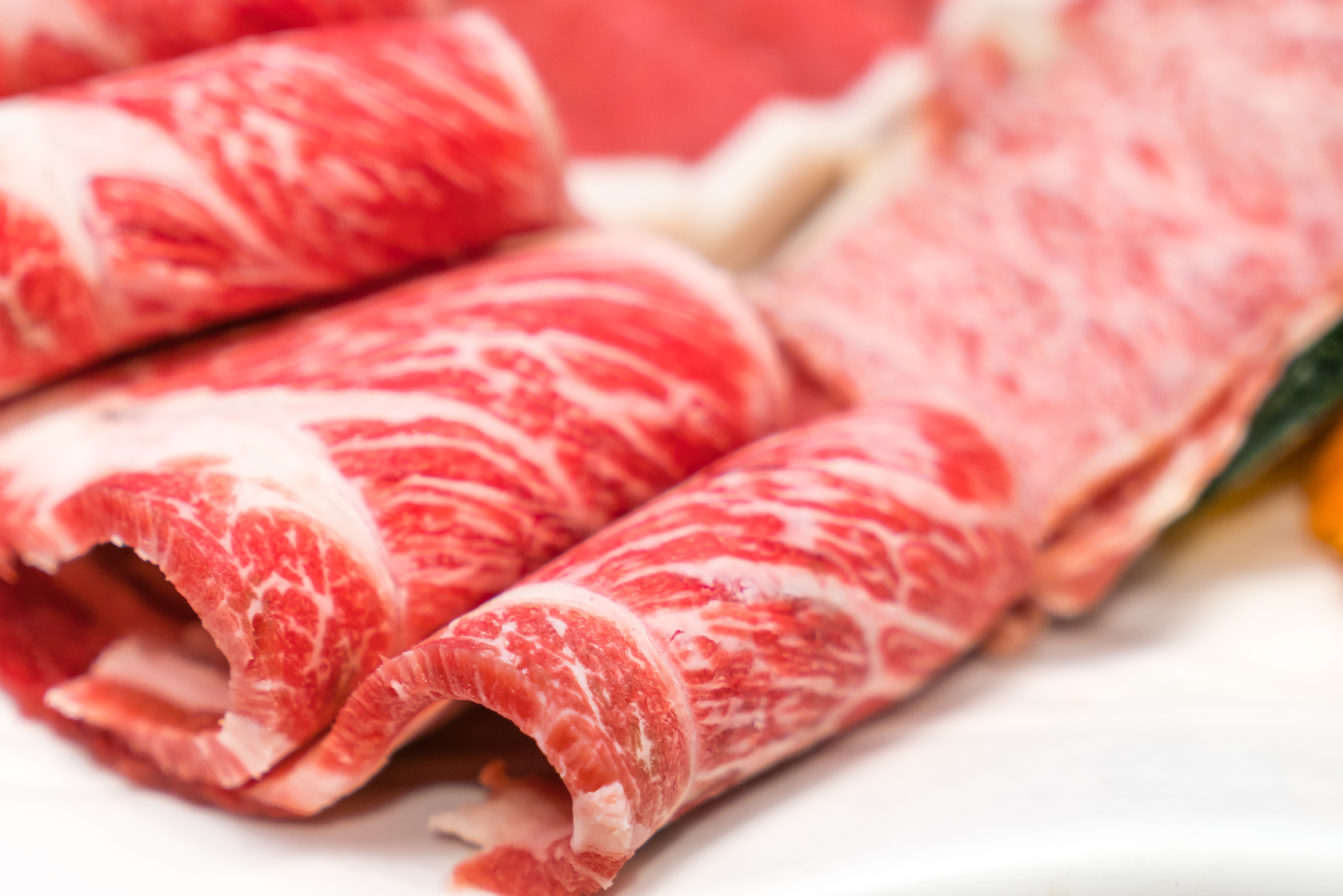
- Bulgogi-yong (불고기용): Thinly sliced. (For stir-fry).
- Dajin-yuk (다짐육): Minced meat. (For burger patties).
Suhwa’s Final Verdict If you want to experience the true taste of Korea and money is no object, go for Hanwoo Grade 1++. It is an experience you will remember.
But if you just want a good steak for dinner without breaking the bank? Hanwoo Grade 1 or High-quality Imported (US Prime) is perfectly fine.
Don't be afraid of the Korean meat aisle anymore. Now you know the code!
If you enjoyed this guide, check out my previous post about [Understanding Korean Beef Cuts (Galbi vs. Sirloin)]
Happy Grilling!